

Multiplicity
Getting to Know our Internal Parts
WE ARE rather than I AM
We may yearn to be a Single Self, but in truth we are all Multiples – made up of different parts. Despite considerable evidence to support the notion of our human multiplicity, some still find it hard to accept this idea. Yet how many times have we experienced being in two different minds or at odds with ourselves? If we pay real attention, we might start to become aware of younger parts as well as other aspects that display certain traits. The latter could be parts that are Determined, Curious, Kind or Honest, but we may also notice less attractive aspects, such as those who are Resentful, Envious, Selfish or Hateful.
It’s unsettling when we find ourselves in the grip of internal entities we don’t like, but the ultimate challenge for us is to try and get to know, understand and accept all our internal parts. If we can do this, we become more integrated and balanced and our mental health improves. There’s nothing better for boosting well-being than feeling part of a team that’s essentially in harmony.
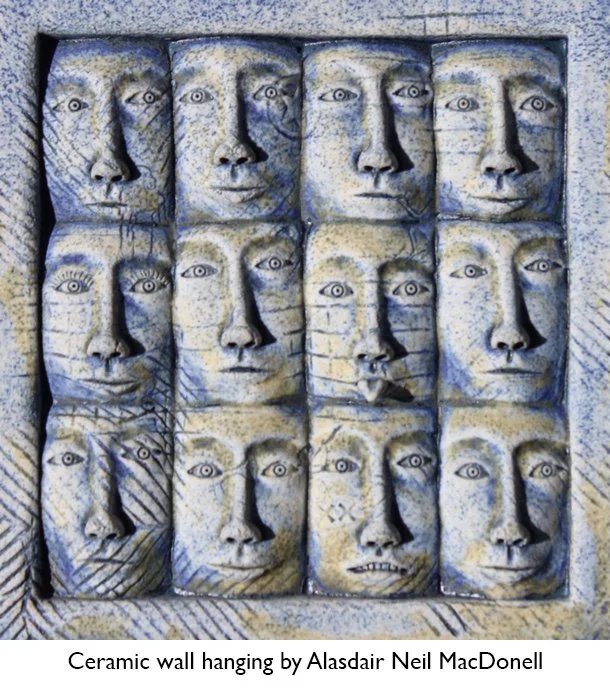
‘Why are we made up of different internal parts?’ is another important question to which there are some significant answers:
We all have innate qualities that we are born with, such as basic physical traits, natural aptitudes and personality tendencies.
We inherit characteristics from our mothers and fathers and their families. It’s a case of these being ‘in the genes’. (See Inherited Trauma)
The way we were nurtured by our parents and caregivers has a profound impact on our developing personalities and leaves a lasting mark on us throughout life.
As therapists, it is important to be alert to any signs or communication that may come from the internal parts of our clients. These might be: unfamiliar kinds of words being spoken, facial expressions that seem unusual, embodied signs of discomfort such as reddening of the face and neck or awkward movements of arms or legs.
Indeed, we need to be listening out for the cries for help that come from distressed parts of our clients, especially the frightened, hurt and angry young ones. Encouraging clients to give voice to their internal parts is the key to helping them heal from childhood trauma. In November 2020, an article of mine entitled Listening to the cries for help from within, was published in Therapy Today, a professional magazine produced 10 times a year by the British Association for Counselling and Psychotherapy (BACP). (Read article in News & Views).
Our capacity to help clients find inner peace is undoubtedly enhanced by undertaking specialised training in parts work therapy and integrating this with our existing therapeutic models. (See Training in Parts Work).
Our multiplicity is never more obvious than when a client with dissociative identity disorder (DID) ‘switches’ and a different part – or ‘alter’ as they are often called – makes an appearance. These alters are dissociated, traumatised young parts, who have been holding dreadful memories and unresolved emotions associated with past trauma. They have a desperate need to be recognised, listened to and healed. This is clearly demonstrated in my first book, The Girls Within – a true story of triumph over trauma.
Working with Internal Parts
The Development of Ideas about the Self
The concept of internal parts and personalities is not new. Over the decades some significant psychologists have offered new ways of making sense of the multiplicity of the human mind.
Freud put forward the idea of the Id, Ego and Superego, who shape our identities.
Jung offered us a cluster of new concepts: the Ego, Persona, Shadow, Self, Complexes and Archetypes - such as, The Warrior, Caregiver, Hero, Lover, Judge, Joker, Sovereign…and the list goes on.
Roberto Assagioli developed the concept of Subpersonalities within the model of Psychosynthesis.
Eris Berne’s Transactional Analysis (TA) embraces the idea of internal Parent, Adult and Child interactions.
Fritz Perls developed Gestalt Therapy which sees humans as being a complete mix of mind, body and emotions, either working together or in conflict with one another.
Richard Schwartz was originally a family therapist before he founded Internal Family Systems (IFS). The IFS method is to understand and work with the internal parts who make up our Internal Families .